
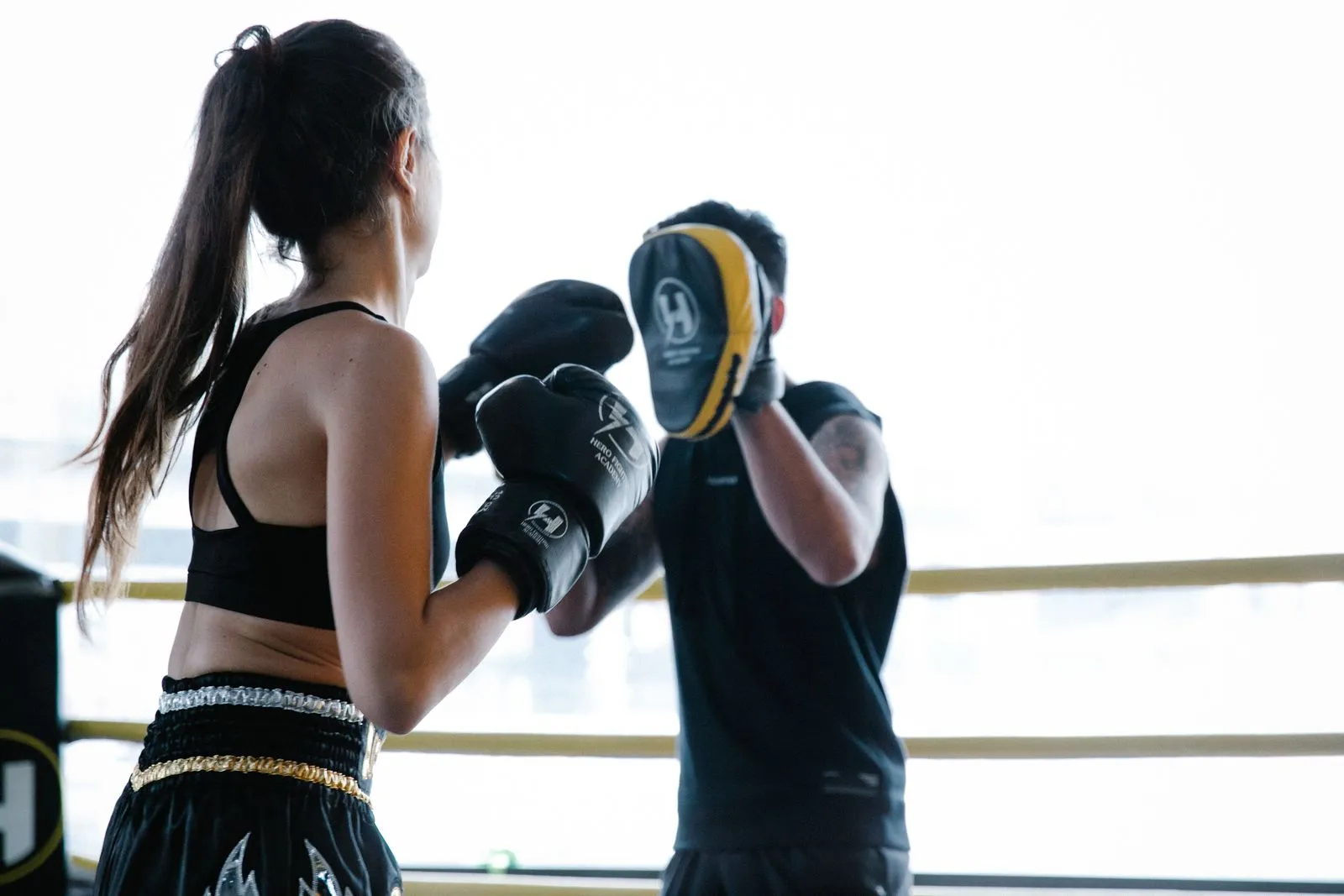
A boxing workout can be more than a series of punches. A well-rounded class may include footwork, bag rounds, strength exercises, and time to practice technique. The balance depends on the class and your goals. If you are new, you do not need to arrive with boxing experience or peak fitness. Knowing what each part of training develops can help you choose a focus, set realistic expectations, and make steady progress.
Movement Comes First
Boxing begins with how you stand and move. Coaches may teach a balanced stance, simple steps, pivots, and ways to return to position after a punch. These basics help you stay controlled and ready to move rather than reaching or crossing your feet. During class, you might practice them without equipment before adding combinations or a bag.
Movement-focused training can suit beginners and experienced participants alike. It develops coordination and gives you a foundation for practicing punches with control. When choosing a class, ask whether it includes instruction and time to practice footwork. If a movement feels awkward, slow it down and ask the coach for a variation you can perform comfortably.
Conditioning Through Rounds
Boxing classes often use timed rounds to combine bursts of activity with short recovery periods. A round might involve shadowboxing, hitting a heavy bag, skipping rope, or completing bodyweight exercises. This format challenges your stamina while asking you to keep moving and pay attention to technique. You can adjust your pace; not every round needs to feel all-out.
For a fitness-focused class, look for a mix of active rounds and clear options for adjusting intensity. Take water breaks when needed, and tell the coach if an exercise causes pain or feels beyond your current ability. Consistent attendance at a manageable pace is more useful than pushing too hard and struggling to return.
Technique Makes Workouts Useful
Learning a punch involves more than moving your arm. Coaches may break down stance, balance, rotation, hand position, and returning to guard. Practicing these details can make combinations feel smoother and help you avoid building habits that are difficult to change. Expect to repeat simple movements; repetition gives you time to understand and refine them.
If skill is your main goal, ask how much class time is devoted to coaching and technique practice. Look for instruction that welcomes questions and offers corrections without rushing you. You can also tell the coach what you want to learn, such as basic combinations or defensive movement, so they can help you choose an appropriate class.
Choose a Focus That Fits
Start by naming your main reason for training: general fitness, learning boxing fundamentals, improving coordination, or building a routine. Then ask about the class format, experience level, equipment, and options for modifying drills. A class that combines movement, conditioning, and technique can support several goals, but the balance may vary from one session to another.
You do not have to choose one focus forever. Try a class at a comfortable effort, notice which parts you enjoy, and consider how you feel afterward. Share any injuries or movement concerns with the coach before training. At Harbor Boxing in San Diego, you can ask about class structure and what to bring before your first visit.
Boxing training can build fitness while teaching practical movement and technique, especially when you choose a class that matches your pace and priorities. Start with clear questions, follow the coach’s guidance, and give yourself time to learn the basics. If you are considering a class, contact Harbor Boxing to ask whether its training approach fits your goals.